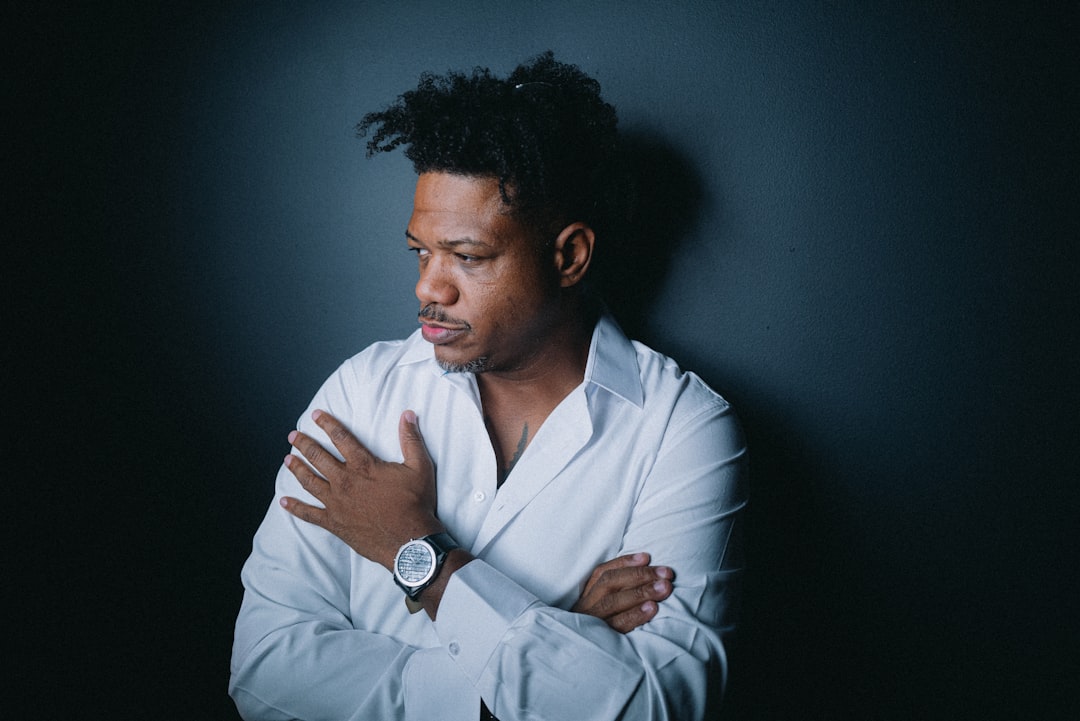
The Foundation of Communication
Communication extends far beyond the words we speak. It encompasses tone, body language, timing, and context. Truly effective communicators understand that their message is shaped not only by what they say but how they say it, when they say it, and to whom. Before refining specific techniques, recognize that communication is fundamentally about connection and understanding, not just information transfer.
Active Listening: The Heart of Communication
Listening is arguably more important than speaking in effective communication. Active listening means fully concentrating on the speaker, understanding their message, responding thoughtfully, and remembering the conversation. Resist the urge to formulate your response while others are speaking. Instead, focus entirely on understanding their perspective. Ask clarifying questions, paraphrase what you've heard to confirm understanding, and provide non-verbal cues like nodding that show engagement. This practice not only ensures accurate understanding but also makes speakers feel valued and heard.
Clarity and Conciseness
Effective communicators respect their audience's time and attention. Organize your thoughts before speaking, leading with your main point rather than burying it in preamble. Use concrete, specific language instead of vague generalizations. Avoid unnecessary jargon unless speaking with specialists who share that vocabulary. Structure longer communications with clear sections or points, using signposts to guide your audience through your message. Remember that brevity and clarity are not about saying less, but about making every word count.
Emotional Intelligence in Communication
Understanding and managing emotions, both your own and others', profoundly impacts communication effectiveness. Recognize how emotions influence perception and response. Before important conversations, assess your emotional state and manage any strong feelings that might cloud your message or reception. Similarly, tune into the emotional state of your audience. Adjust your approach based on their receptivity, stress levels, or concerns. Empathy, the ability to understand and share others' feelings, enables you to tailor messages that resonate and connect.
Non-Verbal Communication Matters
Studies suggest that a significant portion of communication is non-verbal. Your facial expressions, posture, gestures, and eye contact all convey messages, sometimes contradicting your words. Ensure your non-verbal communication aligns with your verbal message. Maintain appropriate eye contact to show confidence and engagement without staring. Use open body language, facing your audience with uncrossed arms. Mirror positive body language from others to build rapport. Be aware that cultural differences affect non-verbal communication norms, and adjust accordingly in diverse settings.
Adapting to Your Audience
Skilled communicators tailor their message to their audience's background, knowledge level, and interests. What resonates with executives differs from what works with technical specialists or front-line employees. Consider what your audience already knows, what they need to know, and what matters most to them. Use examples and references that relate to their experience. Adjust your vocabulary and level of detail accordingly. This adaptation shows respect and increases the likelihood your message will be understood and accepted.
Asking Powerful Questions
Questions serve multiple purposes in effective communication. They gather information, clarify understanding, stimulate thinking, and demonstrate engagement. Open-ended questions encourage detailed responses and dialogue, while closed questions confirm specific information. Use questions strategically to guide conversations, uncover underlying concerns, or help others arrive at conclusions themselves. The ability to ask thoughtful, relevant questions is a hallmark of sophisticated communication.
Providing and Receiving Feedback
Constructive feedback is essential for growth and improvement, yet many struggle with both giving and receiving it. When providing feedback, focus on specific behaviors and their impacts rather than personal attributes. Balance critique with recognition of strengths. Frame feedback as observations and suggestions rather than judgments. When receiving feedback, listen without defensiveness, ask clarifying questions, and thank the person for their input. View feedback as valuable information for development rather than personal criticism.
Managing Difficult Conversations
Some communications involve conflict, disappointment, or uncomfortable topics. Approach these conversations with careful preparation and emotional regulation. State your intention to reach mutual understanding and positive resolution. Focus on facts and specific impacts rather than making accusations. Use statements that begin with "I" to express your perspective without blaming others. Listen to the other person's viewpoint fully before responding. Seek common ground and collaborative solutions rather than winning arguments.
Cultural Awareness and Sensitivity
In our globalized world, effective communicators demonstrate cultural intelligence. Communication styles, directness preferences, concepts of time, and non-verbal cues vary significantly across cultures. Educate yourself about cultural differences relevant to your interactions. When uncertain, ask respectfully about preferences rather than making assumptions. Show willingness to adapt your communication style to bridge cultural gaps. This cultural sensitivity builds trust and prevents misunderstandings in diverse environments.
Written Communication Excellence
Email, reports, and messages require the same attention to clarity and audience as verbal communication. Structure written communications with clear subject lines, logical organization, and concise paragraphs. Proofread carefully for errors that undermine credibility. Consider tone carefully, as written communication lacks non-verbal cues that provide context. When possible, use formatting like bullet points and headers to improve readability. Remember that written communication creates a permanent record, so choose words thoughtfully.
Building Communication Habits
Effective communication requires consistent practice. Set specific goals like asking more questions in meetings, providing regular feedback to team members, or improving your active listening. Seek opportunities to communicate in different formats and settings. Request feedback on your communication style from trusted colleagues. Reflect on important conversations, considering what worked well and what could improve. Record yourself speaking occasionally to objectively assess your delivery. These deliberate practices compound over time, significantly enhancing your communication abilities.
Conclusion
Mastering effective communication is a lifelong journey with profound impacts on career success and relationship quality. By focusing on active listening, emotional intelligence, clarity, and adaptation to your audience, you create meaningful connections and ensure your ideas are understood and valued. Remember that communication is a skill that improves with intention and practice. Each interaction offers an opportunity to refine your abilities and deepen your understanding of this essential art. Invest in developing your communication skills, and you invest in every aspect of your professional and personal life.